
What Is Strategic IT Spending?
In today’s fast-paced tech world, the ability to adapt is key for successful businesses. Traditional budgeting, once crucial for corporate planning, is now outdated, especially in our digital age. It’s clear that strategic IT spending is vital for navigating the complexities of modern markets.
Understanding the limits of old budgeting methods is crucial for those wanting to thrive now. Rigid fiscal plans often fall short of today’s agile business needs. That’s why companies are rethinking their IT resource allocation. Enter the Managed Service Provider (MSP). MSPs seamlessly align IT strategy with business goals, boosting resources and competitiveness.
With strategic IT leaders guiding the way, businesses can overcome their limitations. This approach allows them to effectively leverage technology. Let’s explore how firms can move from traditional budget constraints to strategic IT spending, aligning IT investments with growth, sparking innovation, and ensuring IT drives business success.
Table of Contents
The Shift from Traditional Budgeting to Strategic IT Spending
In today’s rapidly evolving digital economy, leading firms are setting themselves apart by shifting from traditional IT budgeting methods to strategic IT spending. This approach goes beyond mere cost reduction, focusing instead on driving tangible business value and ensuring long-term competitive advantages. The essence of strategic IT spending lies in understanding how to leverage technology investments to enhance customer experiences, streamline operations, and innovate continuously.
Increase your resilience and agility by aligning your IT budgets with overarching business objectives. This allows you to tap into areas such as cloud services, cybersecurity, and artificial intelligence (AI) for optimized outcomes. Continual assessments and adjustments of IT spending not only root out inefficiencies but also redirect resources towards initiatives that yield significant business impact.
Understanding Traditional Budgeting Approaches
Legacy budgeting practices often combine operational and strategic IT investments, which can lead to prioritization conflicts and stifle innovation. Traditionally, IT budgets are seen as fixed allocations that do not differentiate between routine operational expenses and transformative projects aimed at business growth. This lack of distinction can sometimes foster a defensive mindset, as IT departments try to stretch a singular budget across all needs, diluting the focus on growth-centric initiatives.
For businesses aiming to move forward, it’s crucial to adopt separate budgeting strategies for utility IT and strategic technology. This ensures that performance is optimized and growth initiatives are not overshadowed by routine operational costs. Despite growing awareness of the importance of strategic IT spending, many organizations still face static or reduced IT budgets, which underscores the challenge of transitioning from traditional models to ones that support digital transformation effectively.
Limitations of Traditional Budgeting in the Digital Age
Traditional budgeting systems often function as barriers to innovation and agility, crucial components in the digital age. Fixed IT budgets can limit a company’s ability to pivot swiftly in response to new technological advances or market demands, a vital capability for digital transformation. These rigid structures often struggle to provide the flexibility needed for rapid iteration and experimentation with cutting-edge digital tools and strategies.
Consequently, businesses may find themselves lagging in adopting new technologies that could optimize operations or elevate customer experiences. And, adhering to traditional budget frameworks can complicate compliance with evolving regulatory demands, as there’s little room for swift resource reallocation. In today’s fast-paced technology landscape, adapting quickly can be the difference between leading the market or becoming obsolete. To truly thrive, organizations must look beyond conventional budgeting methods and embrace strategic IT spending that empowers rather than restricts future growth and innovation.
Integrating IT Strategy with Business Objectives
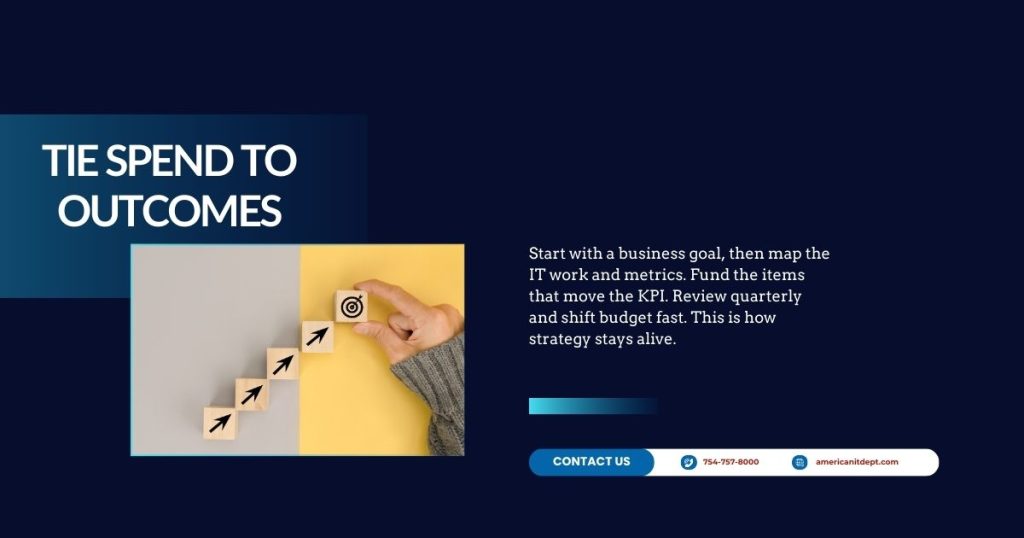
Leading firms understand that aligning their IT strategy with broader business objectives is pivotal for maintaining a competitive edge in today’s fast-paced digital economy. This alignment fosters increased agility, cost efficiency, and maximizes return on investment (ROI) through strategic collaboration between key executives, such as Chief Information Officers (CIOs), and other decision-makers.
The integration of IT objectives with business goals involves crafting a strategic IT roadmap that considers the ambitions of the entire executive team, ensuring that technological advancements continuously support and drive business outcomes. The adaptability and strategic role of IT differ across industries, yet a commonality exists in the necessity for business and technology leaders to work in harmony. By doing so, companies can transform and optimize their operations, ultimately achieving superior economic results.
Aligning IT Investments with Growth Goals
Strategic IT leaders work closely with business executives to develop roadmaps that align technology investments with overarching growth objectives. By ensuring that IT investments are in sync with business goals, companies not only boost their agility but also reduce operational costs and maximize ROI. Over the years, the role of IT has evolved beyond being perceived as merely a cost center; it has become a formidable driver of business success.
Embracing FinOps practices and Software License Management enables firms to optimize their technology investments effectively. This involves regular assessment of technology trends and emerging innovations to ensure they bolster the company’s long-term competitive position. When strategic IT spending is finely tuned to a company’s growth goals, it facilitates better decision-making and strategic planning, ultimately leading to enhanced performance and greater business value.
It is crucial for modern enterprises to continuously reassess their technology investments, ensuring they align with the shifting landscape of business objectives and growth aspirations. This strategic alignment drives greater synergy between IT departments and business units, promoting a holistic approach to achieving sustained growth and success.
Fostering a Digital Culture for Innovation and Agility
Digital transformation stands as a vital strategic priority for companies aiming to enhance customer experience and operational agility. In a world increasingly driven by technology and changing consumer expectations, businesses are compelled to innovate and integrate digital tools to maintain a competitive edge. According to IDC’s Worldwide Digital Transformation Spending Guide, global DX spending will reach ~$4 trillion by 2027 at a ~16.2% CAGR.
Organizations demonstrating higher digital maturity seamlessly incorporate digital transformation as a core component of their strategies. This involves identifying and aligning technological solutions with business objectives to unearth innovation opportunities, thus optimizing the utilization of technology.
Developing a strong technology strategy requires not only technical expertise but also a deep understanding of business dynamics and market demands. As companies foster a digital culture, they pave the way for enhanced innovation and agility, essential characteristics for thriving in the ever-evolving digital landscape. By doing so, businesses can craft superior customer experiences and position themselves favorably against the competition in the long run.
Key Drivers of Strategic IT Spending
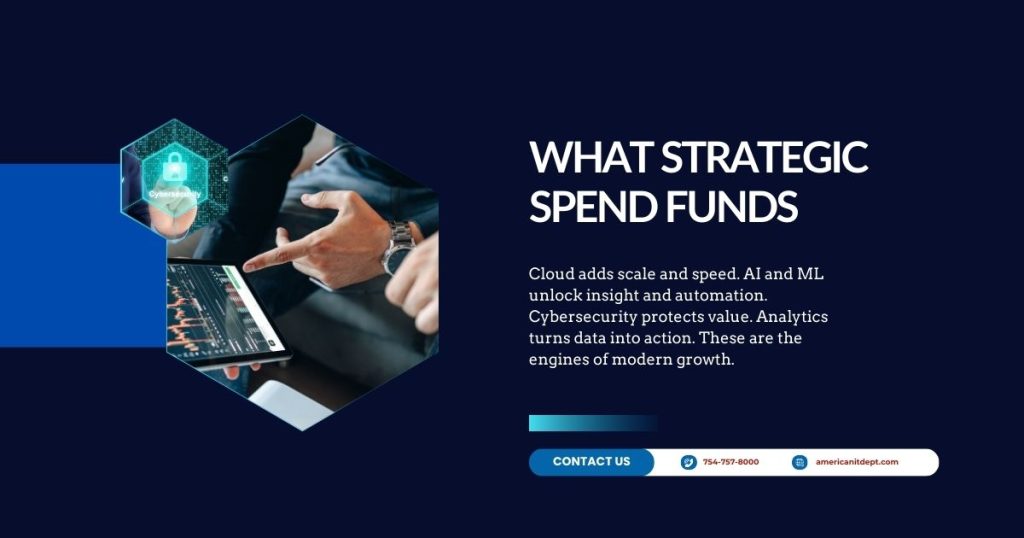
In today’s rapidly evolving digital economy, strategic IT spending is no longer just a support function; it is a critical driver of business innovation, growth, and resilience. Companies are increasingly investing in next-generation technologies like cloud services, Artificial Intelligence (AI), Machine Learning (ML), and enhanced cybersecurity measures. This targeted investment approach allows businesses to align their technological capabilities with their overarching business objectives. Balancing innovation with cost control through practices such as FinOps and Software License Management is essential to maximize the return on technology investments. For Fortune 500 companies and government agencies, effective IT strategic planning has yielded returns as high as 700%, highlighting the immense potential for value creation. This structured planning process focuses on minimizing waste, enhancing operational efficiency, and reinvesting in initiatives that drive business outcomes.
Market Demand and Competitive Pressures
The shift in market demand and the rapid evolution of consumer behaviors are significant catalysts for digital transformation across industries. Consumers today expect immediate, personalized, and seamless digital experiences. As a result, organizations must adopt agile business strategies to remain competitive and responsive in a challenging market landscape.
By leveraging digital platforms and harnessing data analytics, businesses can anticipate market trends and adapt their strategies accordingly. Successful digital transformation enables organizations to lead their industries, providing a crucial competitive edge. It involves actively using reliable data sources for insightful market trend analysis, ensuring businesses remain at the forefront of innovation and consumer satisfaction.
Regulatory Requirements and Compliance
Navigating the complex web of regulatory requirements is a formidable challenge for businesses across sectors. The digital transformation journey is heavily influenced by the need to adhere to these evolving regulations, aimed at safeguarding consumer data, ensuring privacy, and maintaining competitive fairness. Governments and regulatory bodies are continually updating laws to match the complexities of modern digital interactions.
Non-compliance can result in substantial financial penalties and damage to reputation, making it imperative for businesses to prioritize compliance in their IT strategy. Aligning IT strategies with regulatory requirements necessitates robust governance structures and comprehensive cybersecurity measures, ensuring businesses remain compliant while minimizing legal risks.
Enhancing Cybersecurity Measures
In an era where data breaches and cybersecurity threats are increasingly sophisticated, CIOs play a proactive role in fortifying their organization’s digital defenses. Modern cybersecurity efforts have evolved to include automated threat detection and response systems, essential for protecting against ever-evolving threats.
Forward-thinking IT leaders and CIOs stay informed about the latest cybersecurity trends, such as phishing attacks, to develop comprehensive offensive and defensive strategies. A resilient cybersecurity posture is not just about defending against known threats but also adapting to potential future crises, including those triggered by environmental and geopolitical events. By incorporating a vigilant and adaptive cybersecurity strategy into their IT strategic planning, businesses can maintain robust defenses and safeguard their operations against uncertainty.
Leveraging Technological Advancements
In today’s rapidly evolving digital landscape, technological advancements are not just propelling businesses forward but are fundamentally reshaping their strategies. Leading firms are strategically managing their IT budgets to pivot from traditional cost centers to vehicles that drive substantial business impact. This transformation is fueled by organizations embracing digital transformation, adopting innovative business strategies, and aligning technology investments to maximize business value. Whether through the agility offered by cloud computing, the insights derived from Big Data and data analytics, or the operational efficiencies driven by automation, businesses are leveraging a wide array of technologies to enhance their competitive edge, foster exceptional customer experiences, and streamline supply chain management. Let’s explore how AI, cloud infrastructure, data analytics, and IT strategies are integral to this journey.
The Role of AI in IT Strategy
Artificial Intelligence has emerged as a strategic linchpin in IT strategic planning, profoundly influencing how organizations achieve their objectives. By refining AI strategies to enhance service delivery, leading firms can align closely with organizational goals, thereby increasing productivity and reducing operational costs through automation. This paradigm shift places AI as a cornerstone of modern IT strategy, helping businesses anticipate customer needs and optimize processes for superior outcomes. When implemented effectively, AI provides a robust foundation for continuous and iterative planning, adapting to change while staying aligned with specific business needs. Therefore, businesses investing in AI are better positioned to remain agile and relevant in the competitive digital economy.
Utilizing Cloud Infrastructure for Flexibility and Scalability

Cloud infrastructure has become critical in providing the flexibility and scalability that businesses need to thrive in the digital age. Cloud services allow companies to scale their operations seamlessly and cost-effectively, facilitating digital transformation initiatives. Platforms like Amazon Web Services and Microsoft Azure can reduce infrastructure costs while increasing agility and innovation.
Beyond financial efficiency, the cloud’s ability to comply with data sovereignty requirements aids companies’ global deployment strategies. With a pay-as-you-go model, firms can manage IT budgets dynamically, avoiding the pitfalls of uncontrolled expansion, known as cloud sprawl. Ultimately, strategic cloud investments enable organizations to drive operational efficiencies and maintain a competitive edge.
Harnessing Data Analytics for Insights and Decision Making
In the realm of modern business strategies, data analytics has emerged as an indispensable tool for strategic planning and decision-making. Firms are increasingly employing data analytics to derive significant business value, streamline operations, and enhance customer service. Through real-time analytics and machine learning, businesses can anticipate market trends, address potential disruptions, and make informed decisions backed by data. This data-driven approach fosters agility, enabling enterprises to adapt quickly to evolving market demands. Moreover, by harnessing customer data, businesses can personalize customer experiences, strengthening loyalty and achieving growth in a digitally competitive world.
Improving Customer Experience Through IT
The integration of IT into customer experience strategies is essential for businesses aiming to deliver personalized, seamless interactions across multiple channels. By employing technologies such as Customer Relationship Management (CRM) systems and AI, companies gain comprehensive insights into customer preferences and behaviors. This understanding allows organizations to tailor products and services to meet individual needs, enhancing overall customer satisfaction. Efficient information processing and distribution through IT not only improve customer service but also contribute to better organizational efficiency. As IT departments optimize resources, they can redirect investments toward enhancing customer engagement and service delivery, ensuring a consistent, high-quality customer experience that fosters long-term loyalty.
The Role of Strategic IT Leaders
In today’s rapidly evolving digital economy, the role of strategic IT leaders has become vital to the success and alignment of business and technology. These leaders bridge the gap between IT and business functions, ensuring that technology investments do not merely support operations but also drive strategic objectives. Effective IT leaders, such as Chief Information Officers (CIOs), collaborate with other executive leaders to create IT roadmaps that align with and enhance overarching business goals. The strategic integration of IT into business opens new avenues for transformation, offering opportunities for automation, informed decision-making, and innovative business models. This seamless alignment helps organizations optimize resources and achieve a higher return on investment (ROI), thereby reinforcing IT’s role as a transformative force rather than just a cost center.
Aligning Technology with Business Strategies
Aligning technology with business strategies is a foundational aspect of strategic IT leadership. This process involves integrating IT operations with business objectives to maximize outcomes and agility while minimizing costs. It requires a deep understanding of how various technological solutions align with a company’s strategic goals, enabling the identification of technology gaps and innovation opportunities.
Leaders such as CIOs work closely with CFOs, CEOs, and other department heads to ensure that the IT roadmap addresses the organization’s immediate and future needs. They make informed IT investment decisions that not only enhance current operations but also create new revenue streams. By strategically aligning IT and business objectives, organizations can improve agility, reduce costs, and enhance customer experiences.
Ensuring Effective Resource Allocation
Effective resource allocation is critical to realizing the full potential of IT investments. Strategic IT planning integrates architecture and technology teams with enterprise goals, facilitating scenario-based investment capacity planning. By continuously benchmarking success and implementing feedback loops, organizations can ensure that resource allocation remains aligned with evolving strategies.
This ongoing assessment allows firms to adjust resources as needed to enhance operational efficiency and agility. Strategic planning strikes a balance between tactical and strategic elements, assisting IT leaders in making informed decisions that optimize resource allocation for maximum business value. This alignment guarantees that technology investments support business objectives, boost ROI, and contribute to the organization’s broader success.
Facilitating Organizational Growth and Agility
Facilitating growth and enhancing agility are key objectives of strategic IT planning. Through a continual and iterative strategic planning process, organizations can rapidly respond to changes and refocus resources on high-value programs. This approach reduces costs by ensuring that only the right technologies are funded for digital transformation efforts.
CIOs and IT leaders play a pivotal role in guiding organizations through this journey, providing strategic advice and optimizing technology deployment, even when engaged on a part-time or outsourced basis. By leveraging market insights and data analytics, organizations can uncover new opportunities for growth and exploration of strategic alliances, mergers, or acquisitions. This focus on delivering business value ensures organizations maintain a competitive edge while fostering sustainable growth.
Developing a Comprehensive IT Strategic Plan
Creating a comprehensive IT strategic plan involves aligning your information and technology resources with the core objectives of the business. An effective IT strategy not only supports but also drives business goals by aligning technology initiatives with broader strategic ambitions. For leaders to succeed, IT roadmaps should be developed with a clear focus on achieving executive technology-related goals within a defined timeframe, often spanning 18 to 24 months. That approach ensures the company remains agile and can adapt to rapid technological changes.
Strategic IT leaders should be vigilant, embracing an ever-evolving tech landscape to maintain market relevance and competitiveness. Importantly, a strong emphasis on strategic IT cost optimization enables CIOs to systematically reduce waste, enhance performance, and reinvest savings into initiatives that significantly impact business outcomes.
Importance of Continual Assessment
Continual assessment plays a pivotal role in ensuring that an IT strategic plan stays relevant and effective in a quickly changing environment. Regular strategy reviews allow organizations to respond swiftly to changes, maintaining a steadfast focus on high-value programs while optimizing costs. By investing in appropriate technologies, companies can not only preserve but also enhance their competitive edge.
In addition, context scanning enriches strategic insights by focusing on external environment changes, helping organizations craft more informed execution plans. This process encourages communication and collaboration between business and IT teams, ensuring alignment with the company’s overall vision and fostering strategic IT leadership. Regular reviews help mitigate risks by identifying potential pitfalls and areas for improvement, enabling organizations to stay ahead in their strategic objectives.
Innovating to Stay Competitive
Innovation is not just a buzzword; it is a crucial element in staying competitive in today’s digital economy. Strategic IT planning fosters enterprise-wide collaboration, aligning IT with broader business objectives to drive innovative solutions and outcomes. Reliable data is indispensable for making informed decisions, ensuring technology strategies effectively facilitate innovation. Incorporating current state analysis, ideation, and decision-making processes helps identify inadequacies, creating opportunities for growth and invention.
Also: developing a robust digital talent strategy equips organizations with the requisite skills to meet evolving demands and effectively implement digital transformation initiatives. A well-defined technology strategy allows businesses to identify technology gaps, assess various options, and select those that align best with both current and future innovation goals.
Navigating Challenges in the Digital Era
In the digital era, strategic IT planning is paramount as it paves the way for digital transformation, enabling organizations to align technology solutions and resources with business objectives. Digitally mature organizations are more likely to approach this transformation strategically, with digital possibilities shaping and being shaped by business strategies. This involves a pragmatic view, agile execution, and a clear prioritization of initiatives.
The rapid pace of digital change presents opportunities to streamline operations, reduce costs, and enhance efficiency. Regular assessment and optimization of technology solutions are vital to identifying unnecessary expenses, ensuring the efficient use of platforms, and continuously innovating. As businesses evolve in this landscape, having a resilient IT strategy helps navigate disruptions and maintain a competitive edge.
Start A Self-Assessment
Are you curious how closely you meet compliance and security standards? Or do you wonder what you can do to be well prepared to prevent incidents or to respond when a security incident happens? Get our free Compliance & Security Guide and run a self-assessment. Our guide is specifically written for the financial services industry. On 17 pages, you’ll find practical tips, checklist to prepare, prevent, and respond to incidents. If you need more help, give us a call.